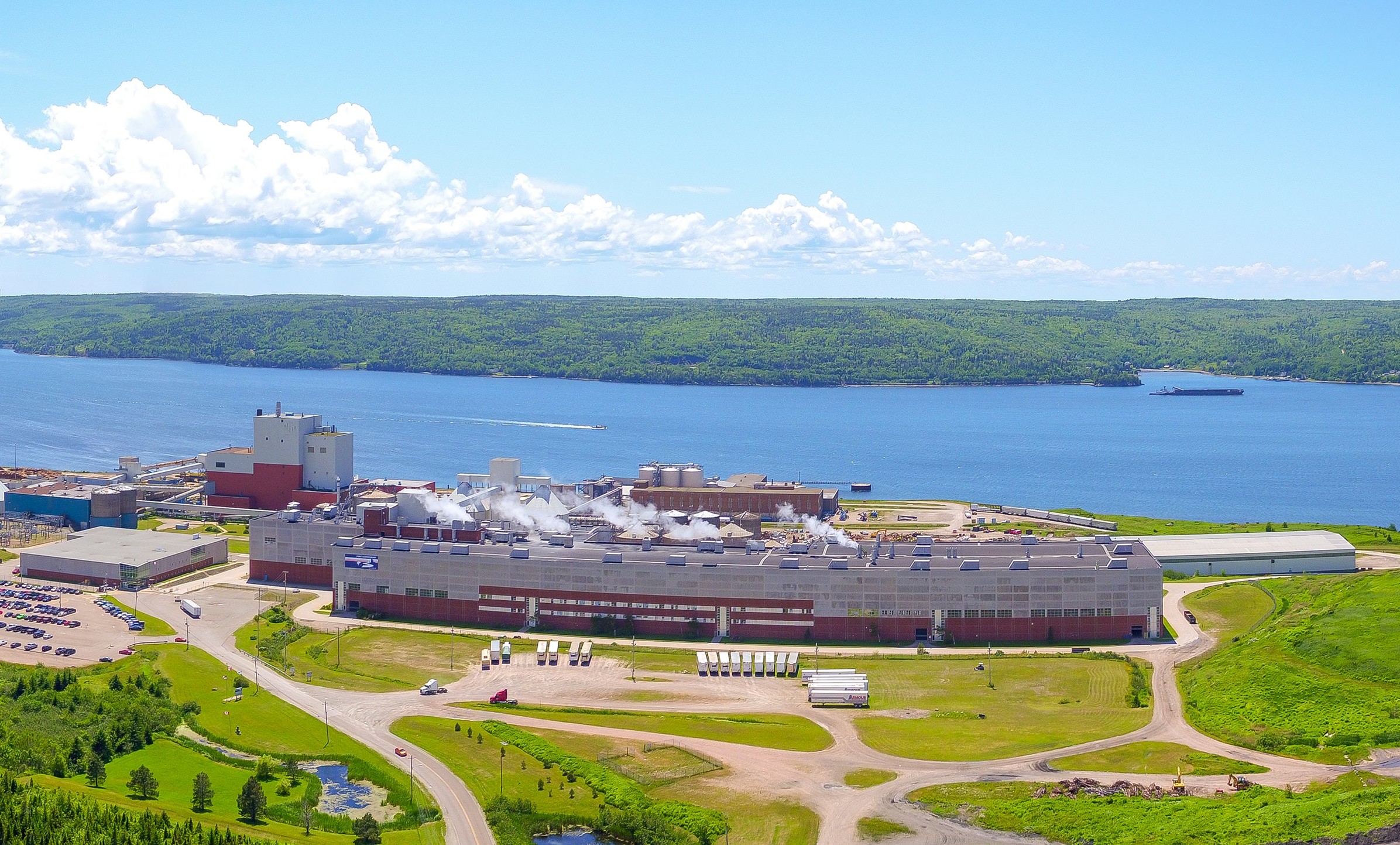
Port Hawkesbury Paper remains one of the most influential industrial operations in Atlantic Canada, and its contribution to the surrounding region continues to be far-reaching. As the largest industrial employer in Cape Breton and a leader in supercalendered paper manufacturing in North America, the mill holds an important place in the area’s economy. Its impact extends across Inverness, Richmond, and Guysborough counties, supporting families, local businesses, suppliers, contractors, and communities throughout the region. From the perspective of the GPMC/NMC, it is a strong example of how a major industrial operation can help anchor a community and create lasting opportunity for the people who live and work there.
That contribution is supported by the well-established National Maintenance Agreement at the site. In place for nearly two decades, the agreement has carried forward through successive terms and was renewed again in November 2025, extending through 2029. That continuity matters. It provides a dependable framework for maintenance work, offers stability for owners and
contractors, and gives the skilled trades confidence that the work will proceed under a familiar and tested structure. From our perspective, that consistency has helped support the site’s ongoing success.
The agreement also helps ensure the mill has access to the union workforce needed to support an operation of this size and complexity. Port Hawkesbury Paper directly employs about 325 in plant personnel and supports roughly 900 other contracted positions, exceeding an estimated 1,200 full-time equivalent jobs in Nova Scotia. The work generated through the site includes ongoing maintenance, repair, revamp, renovation, and day-to-day service activities that are essential to keeping the facility running safely and efficiently. It also supports a broader economic network, with annual provincial operating expenditures of more than $300 million and a supply chain that reaches more than 500 Nova Scotia companies. For the skilled trades, that means meaningful opportunities to contribute to a major industrial operation that continues to play an important role in the province’s economy.
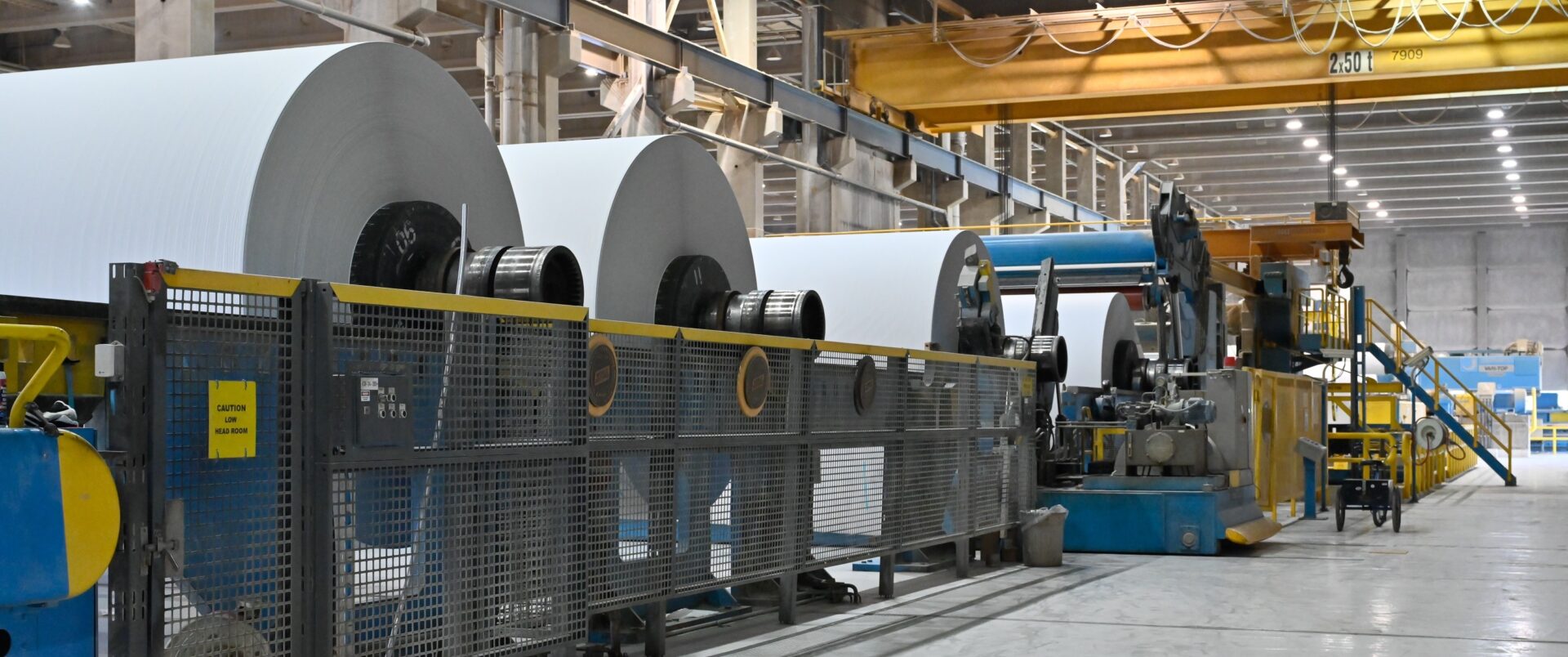
Partnership has always been central to the story at Port Hawkesbury Paper. The mill’s continued success depends on cooperation between the owner, contractors, unions, the workforce, government, suppliers, and the broader community. The operation itself reflects a long history of investment and development. First established in 1962, the site expanded over time, including a major investment in a state-of-the-art supercalender paper machine in 1998, and reopened under its current ownership in 2012. Today, the mill produces supercalendered, uncoated, and specialty papers using modern equipment and three thermomechanical pulp lines, serving customers across North America and overseas by vessel, rail, and truck. Its regional importance is also tied to responsible stewardship. The company sustainably manages approximately 520,000 hectares of public land, maintains recognized forest certifications, and plants approximately 2.5 native seedlings annually.
Taken together, that combination of industrial capability, environmental care, and community partnership helps explain why the operation continues to matter so much to the region.
The recent renewal of the agreement is another positive development and one worth recognizing. From the GPMC/NMC’s standpoint, it reflects a constructive working relationship and a shared commitment to keeping this facility moving forward. Just as importantly, the renewal process was straightforward, which speaks to the maturity of the relationship and the measured approach taken by the parties involved. That kind of outcome builds confidence. It shows that when there is respect for the process and a focus on common goals, agreements can be renewed in a way that supports stability, encourages investment, and helps protect the work and partnerships that matter so much to the region.